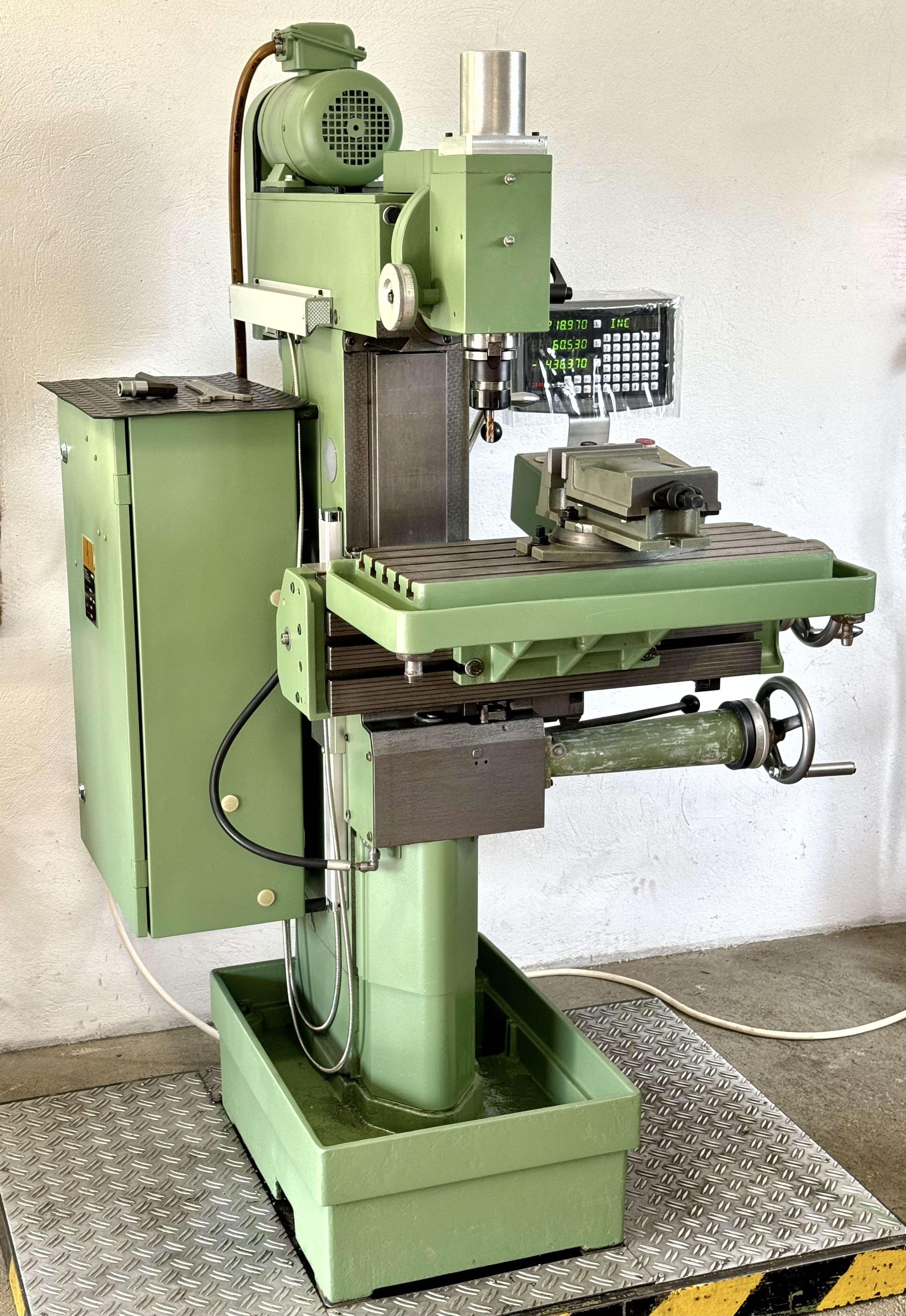
Metal milling was on my wish list for a long time, and at some point I started looking around. It was mostly revolving around Avia FNC-25 and Oradea FUS-22. FND-25 would be nice, but was far more expensive, same goes for FND-32 which was also noticeably bigger.
After seeing couple of clapped-out FNC-25’s I stumbled upon MAHO (I think it’s MH300M) tucked in the back of the warehouse:
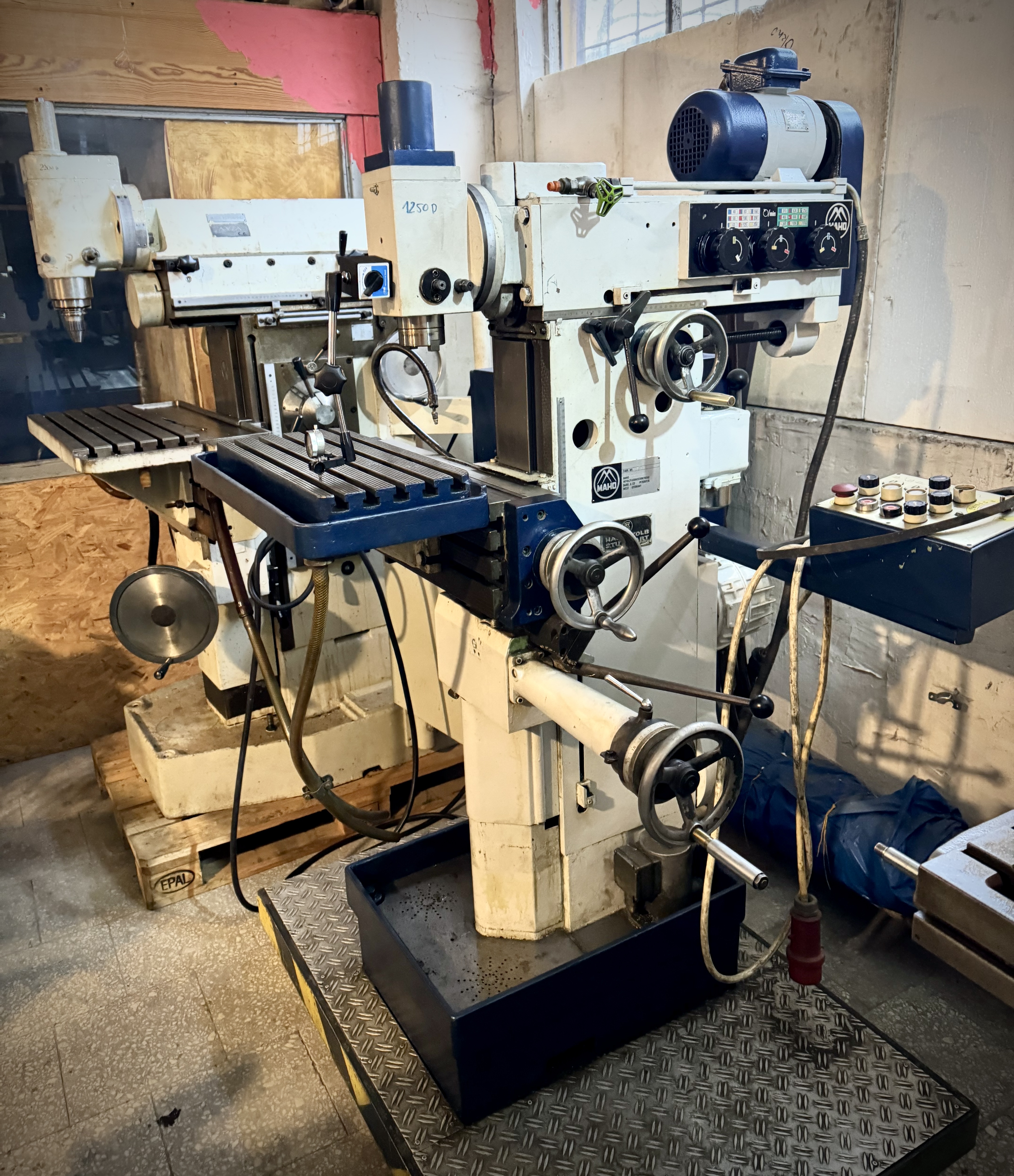
It didn’t look great, I had concerns (spoiler: warranted) if the power feed electronics repair was done correctly (it was not). But that was something I could either live with or improve.
What sold me was the mechanical condition. Compared to every other mill I looked at, this one felt like new. Especially compared to other MAHO MH500 I’ve seen before, this one still got almost-like-new flaking visible on every way.
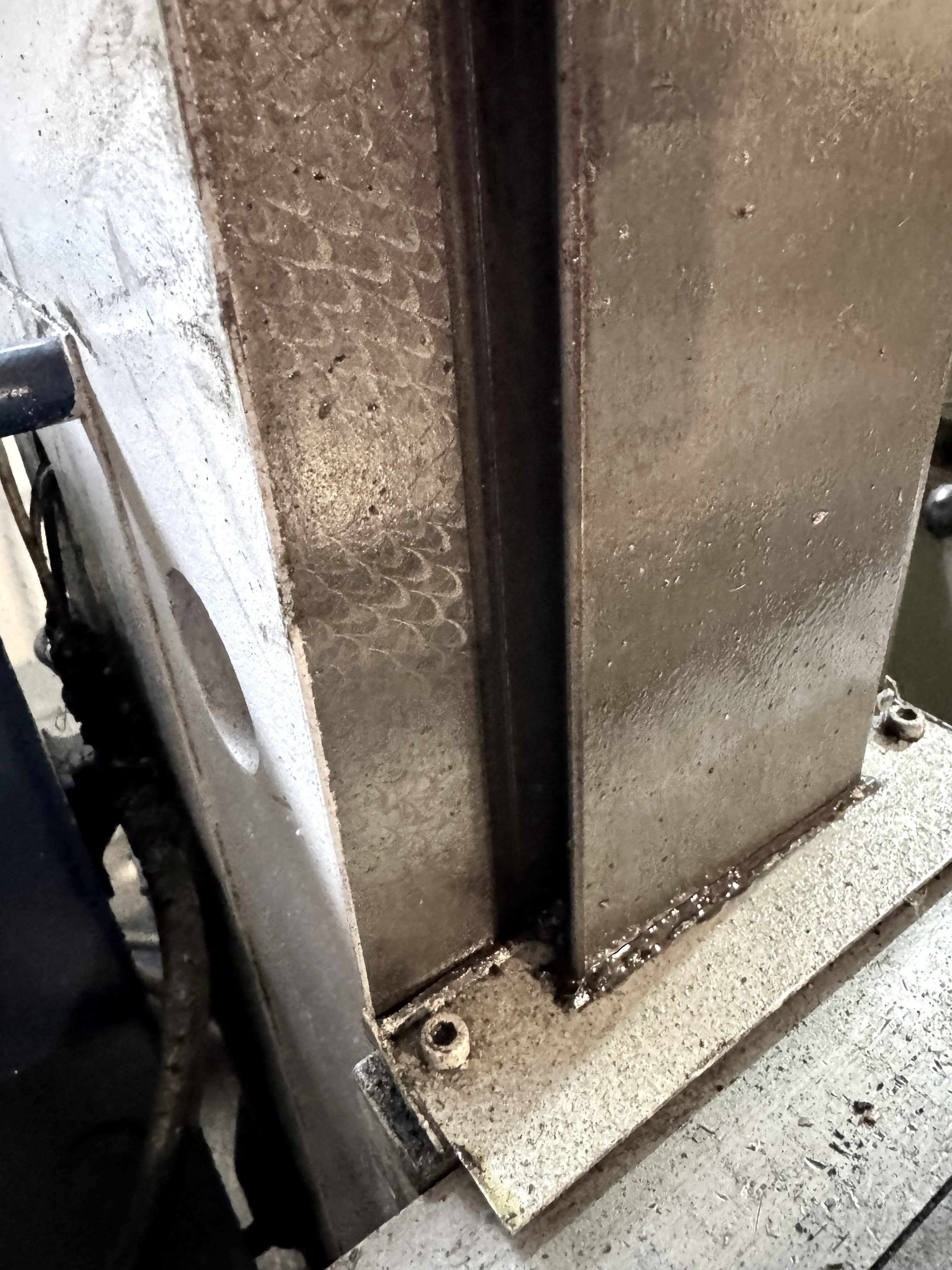
I think there are two reasons for its surprisingly good mechanical condition:
- Power feed were most likely broken for a long time and the machine was mostly moved around without doing too much work.
- Central lubrication system - it’s just so much easier to keep the machine oiled if all it takes is single stroke of a lever - vs manual application with a oil gun in 30 or so places in Avia.
replacing the servo drive
The machine came without its original BBC servo drive. Someone had fitted a basic open-loop PWM controller with no tacho feedback, no rapids, and inconsistent speeds under load. It sort of worked, but not really. Below a certain threshold the motor would stall, and above it the feed rate would drift depending on cutting forces.
The hard part was the mismatch between the motor’s tacho voltage and armature voltage. The armature runs at 90V, but the tacho only produces about 18V at full speed. Most off-the-shelf drives assume these are roughly proportional. I first looked at a Sprint Electric 1220, but its max speed adjustment only goes down to 40V for tacho feedback – more than double what this motor’s tacho puts out at full speed. The drive simply can’t be configured for a motor where the tacho range is that far below the armature voltage.
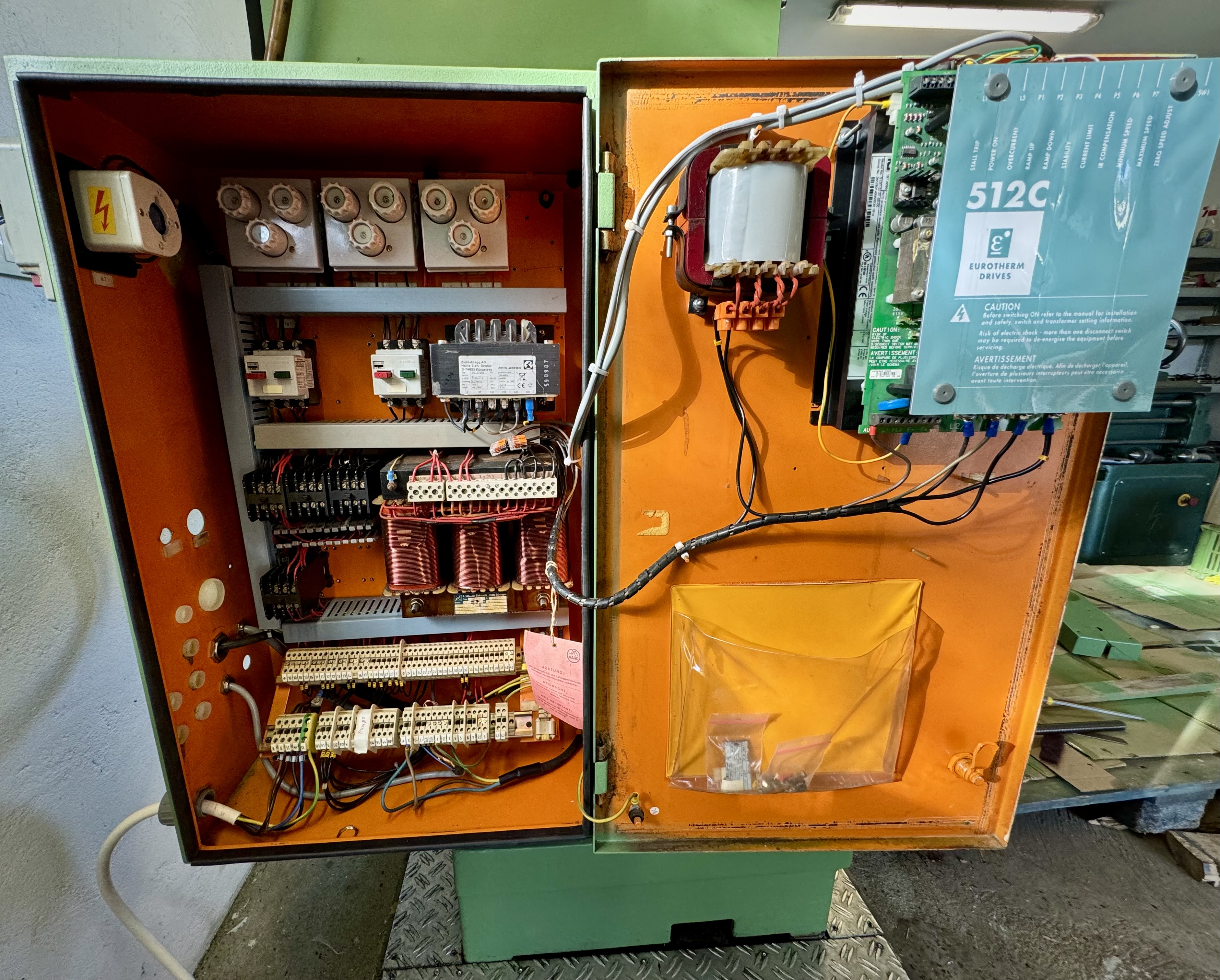
The Parker 512C has independent tacho calibration switches, so it can handle the mismatch. I bought one off eBay, listed as working, just missing the front cover. The motor and gearbox were fine, so the installation was straightforward, purely the drive electronics.
After putting it all together the drive was all choppy, breaking up under any load. I got a refund, and then took a closer look at the board. One capacitor was ripped clean off.
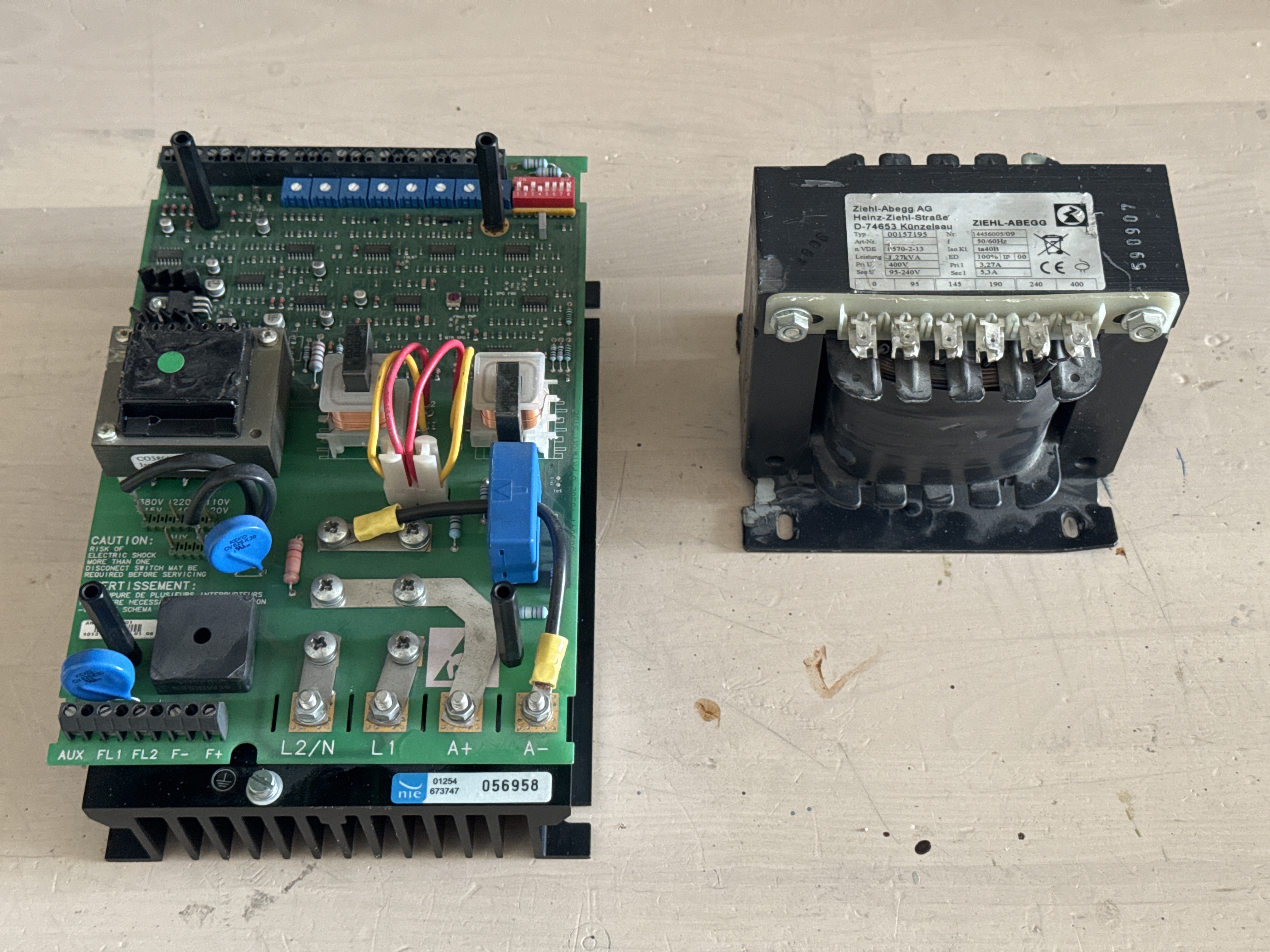
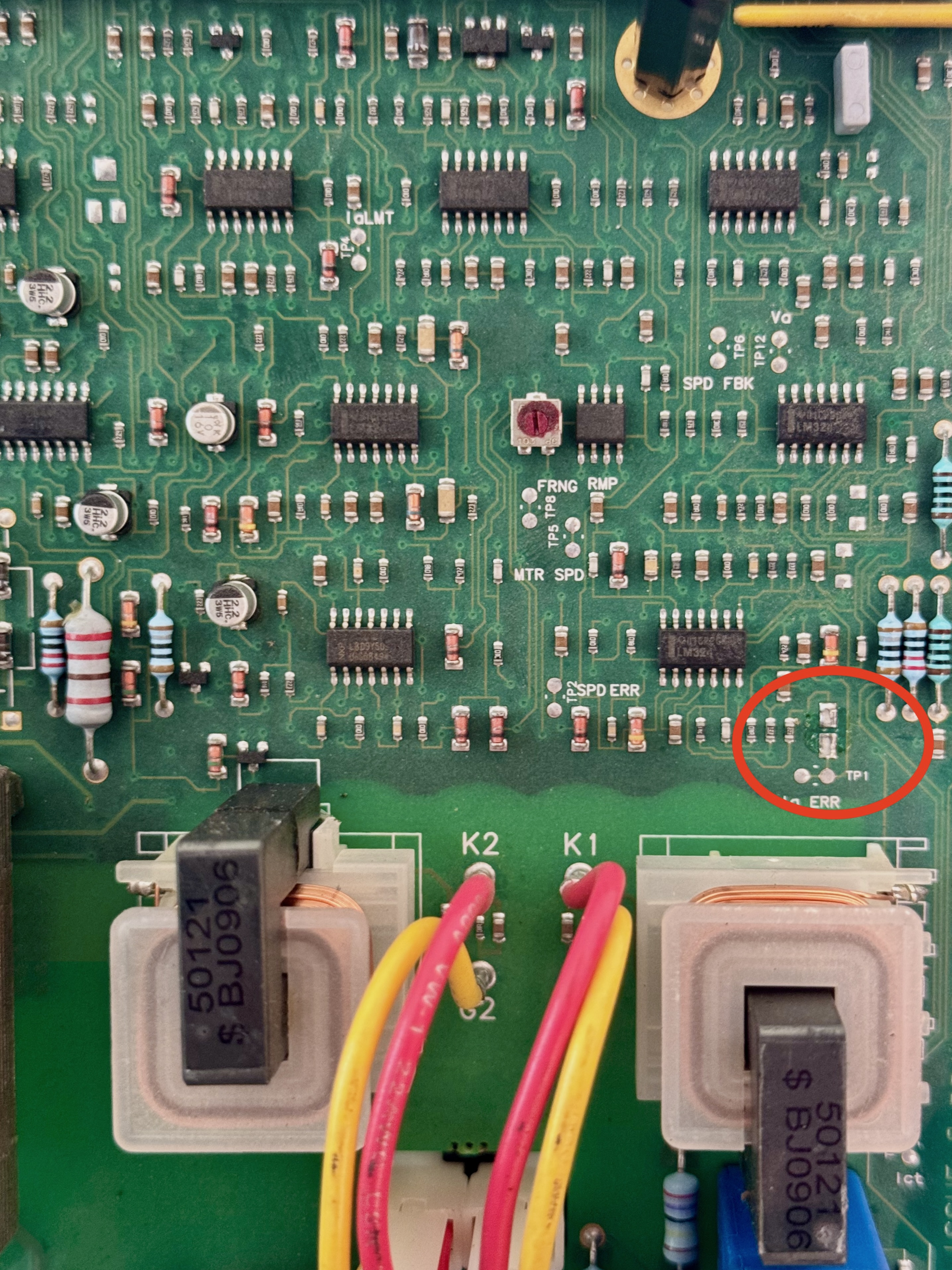
Guessing the value was not too hard. There were about three footprint sizes across the board, and each size only appeared in one capacitance value. I matched the footprint, soldered a replacement, and it ran smooth. The last thing was a choke on the input to filter out 50Hz buzzing from the single-phase supply.
It’s not a perfect setup. The original BBC drive was three-phase, this one runs single-phase. But the full range of closed-loop motion was restored: rapids work again, feeds hold steady under load.
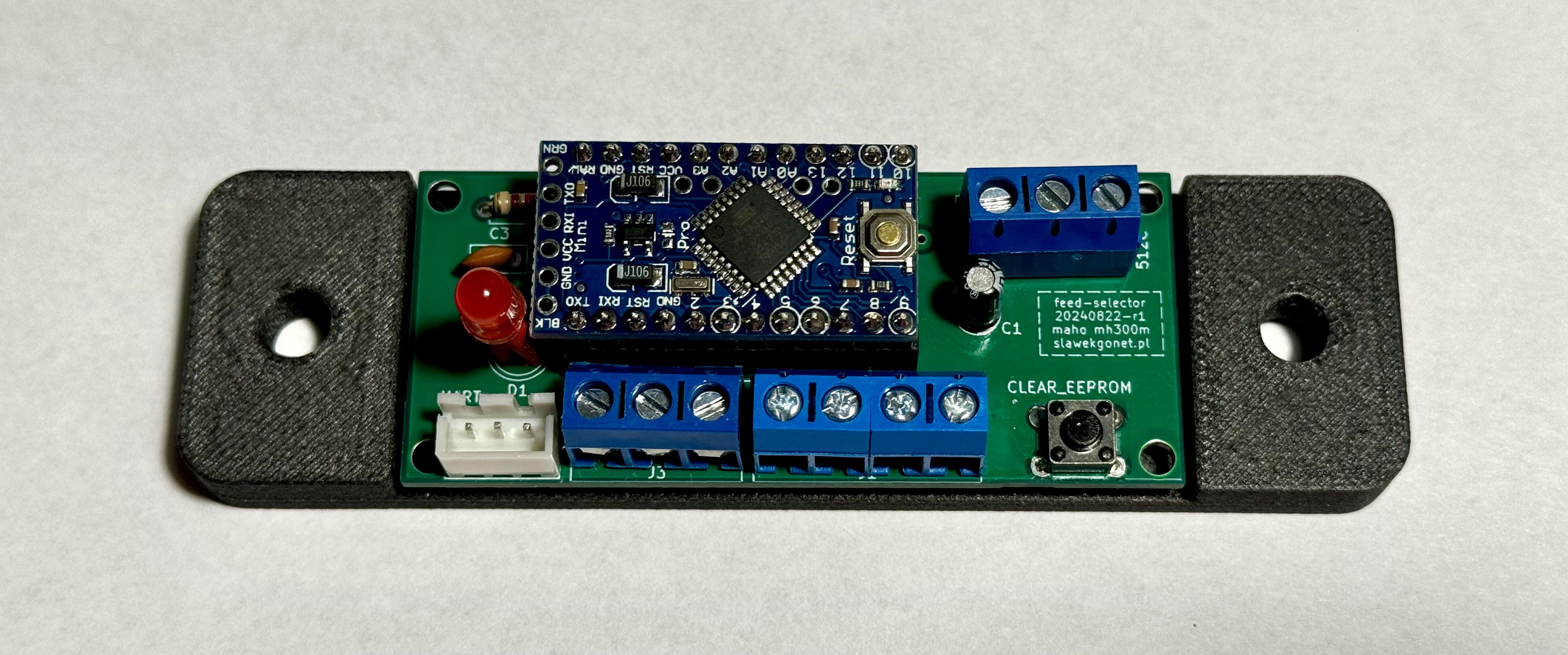
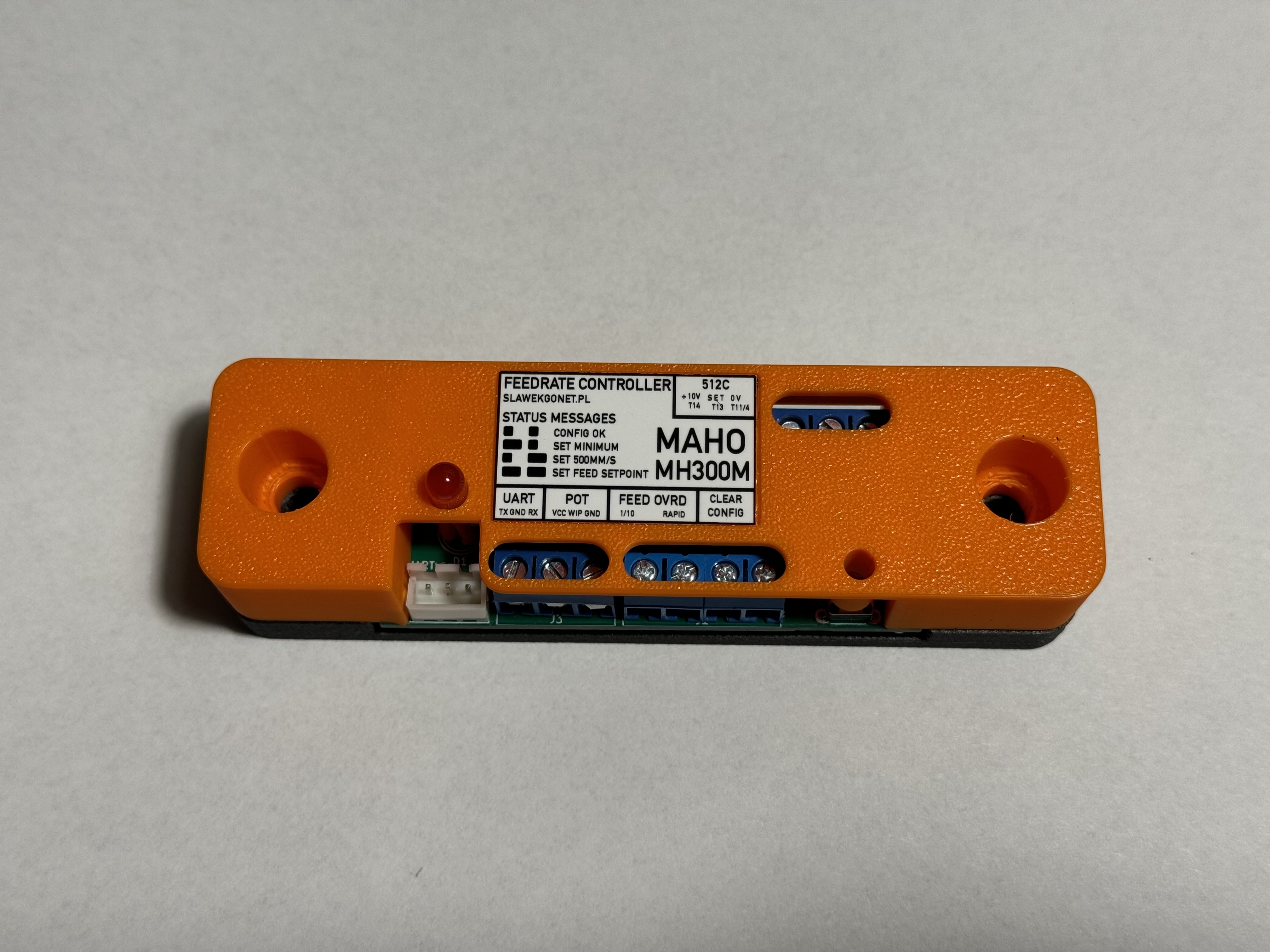
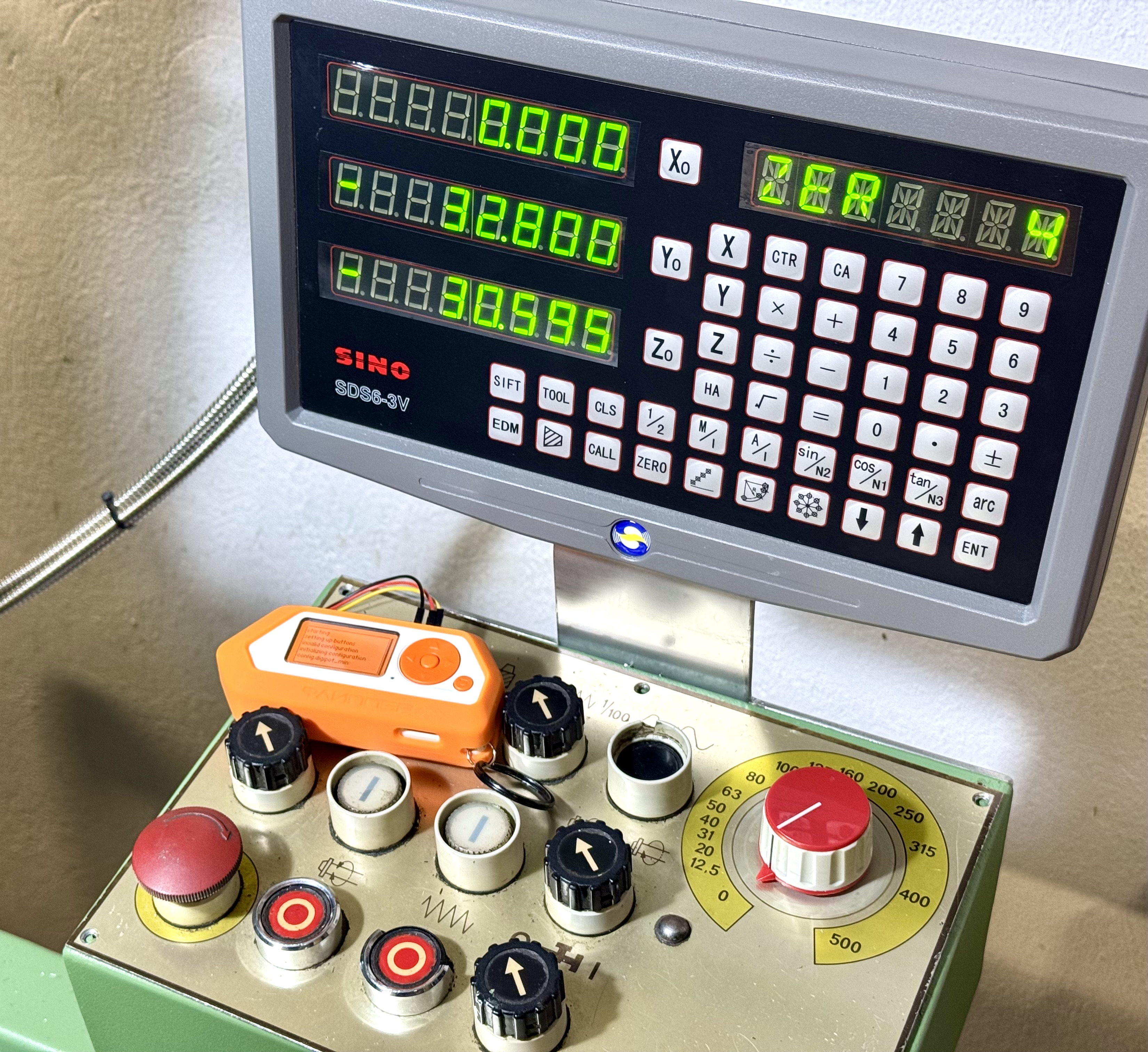
The remaining problem was that the front panel feed selector no longer corresponded to actual feed rates. The original BBC drive and the Parker interpret setpoint voltages differently, so “200 mm/min” on the panel would produce something else entirely. I wrote a feed controller to handle the mapping, so the panel markings can be trusted again.
fixing the vertical head
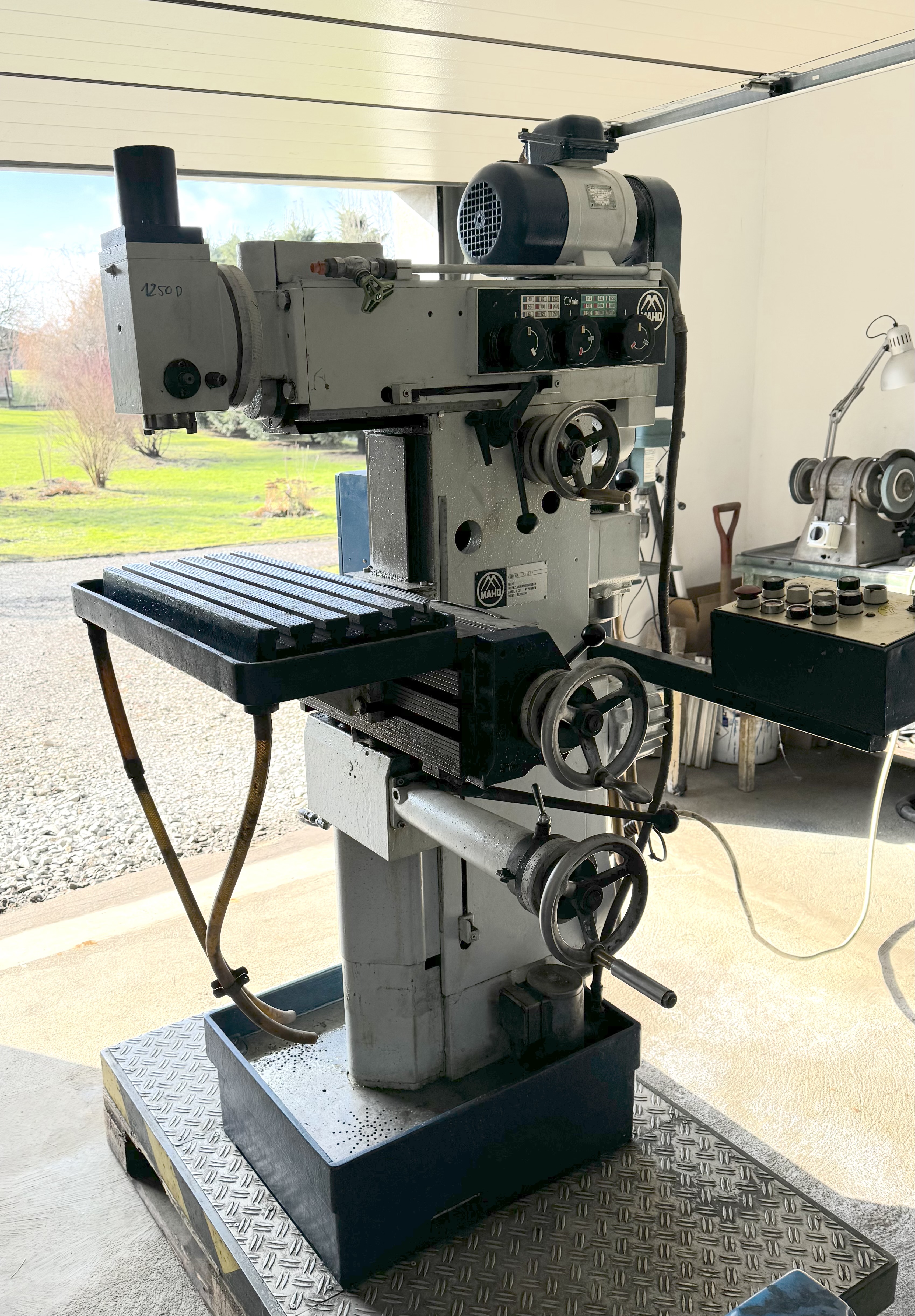
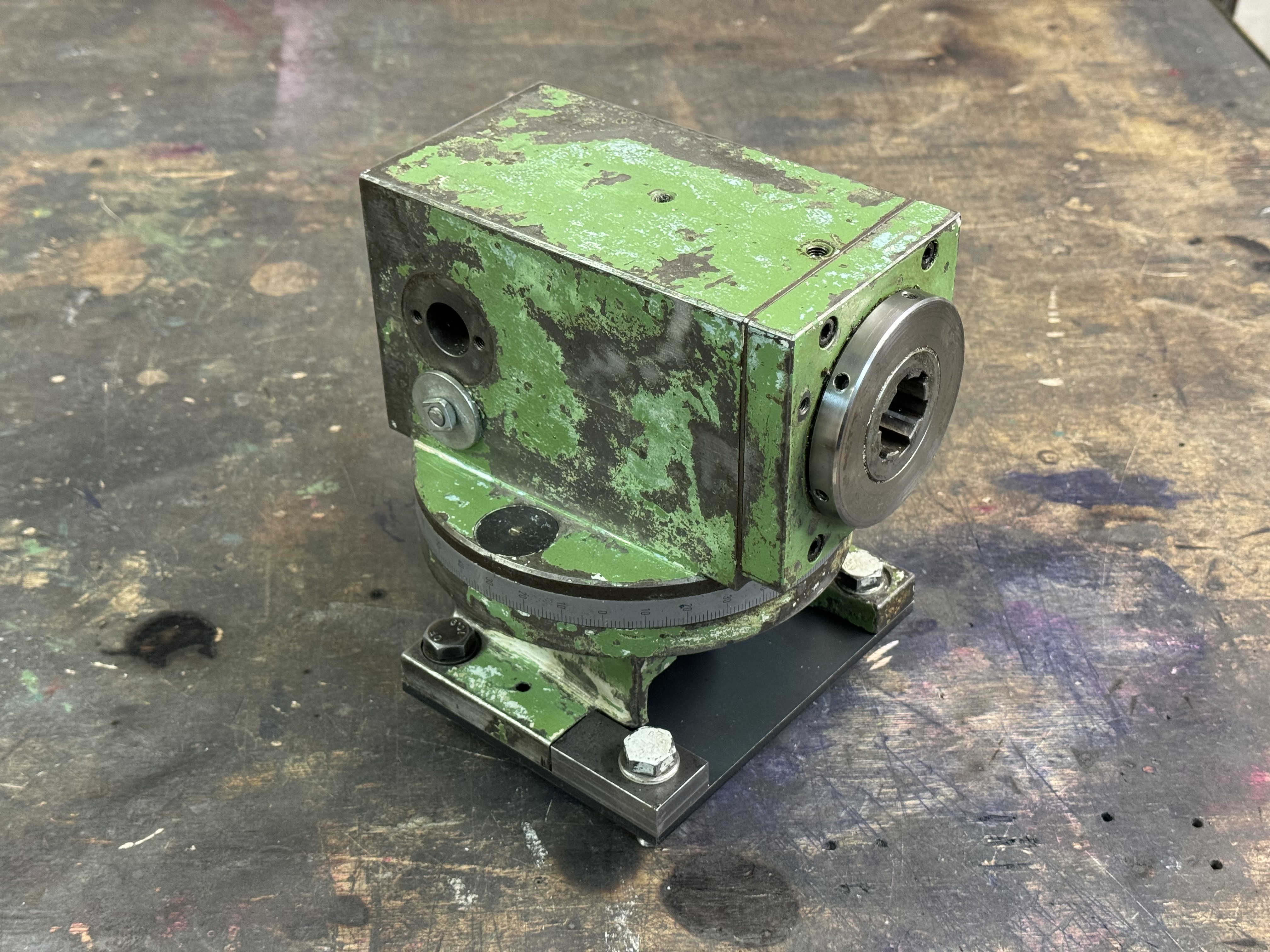
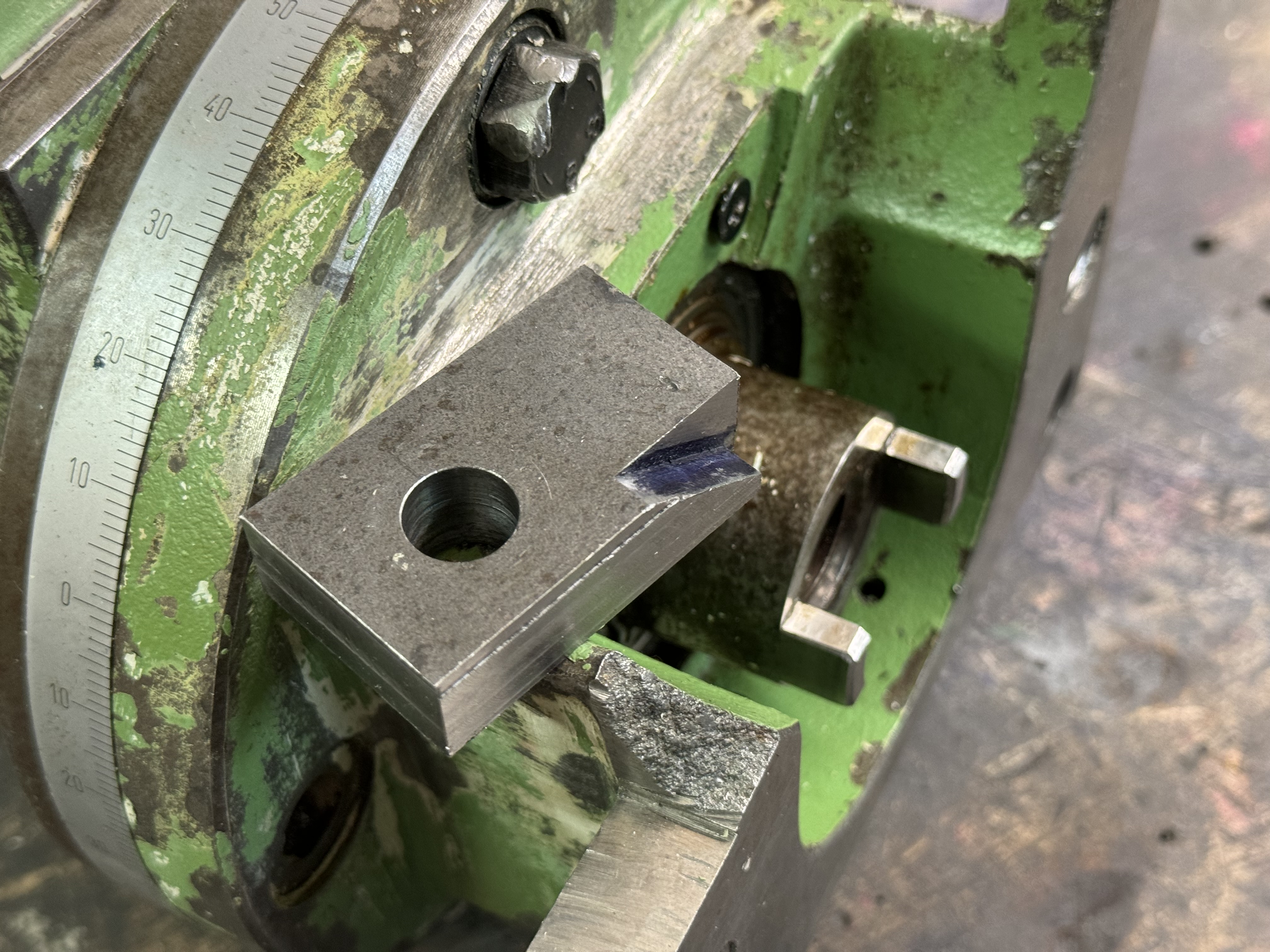
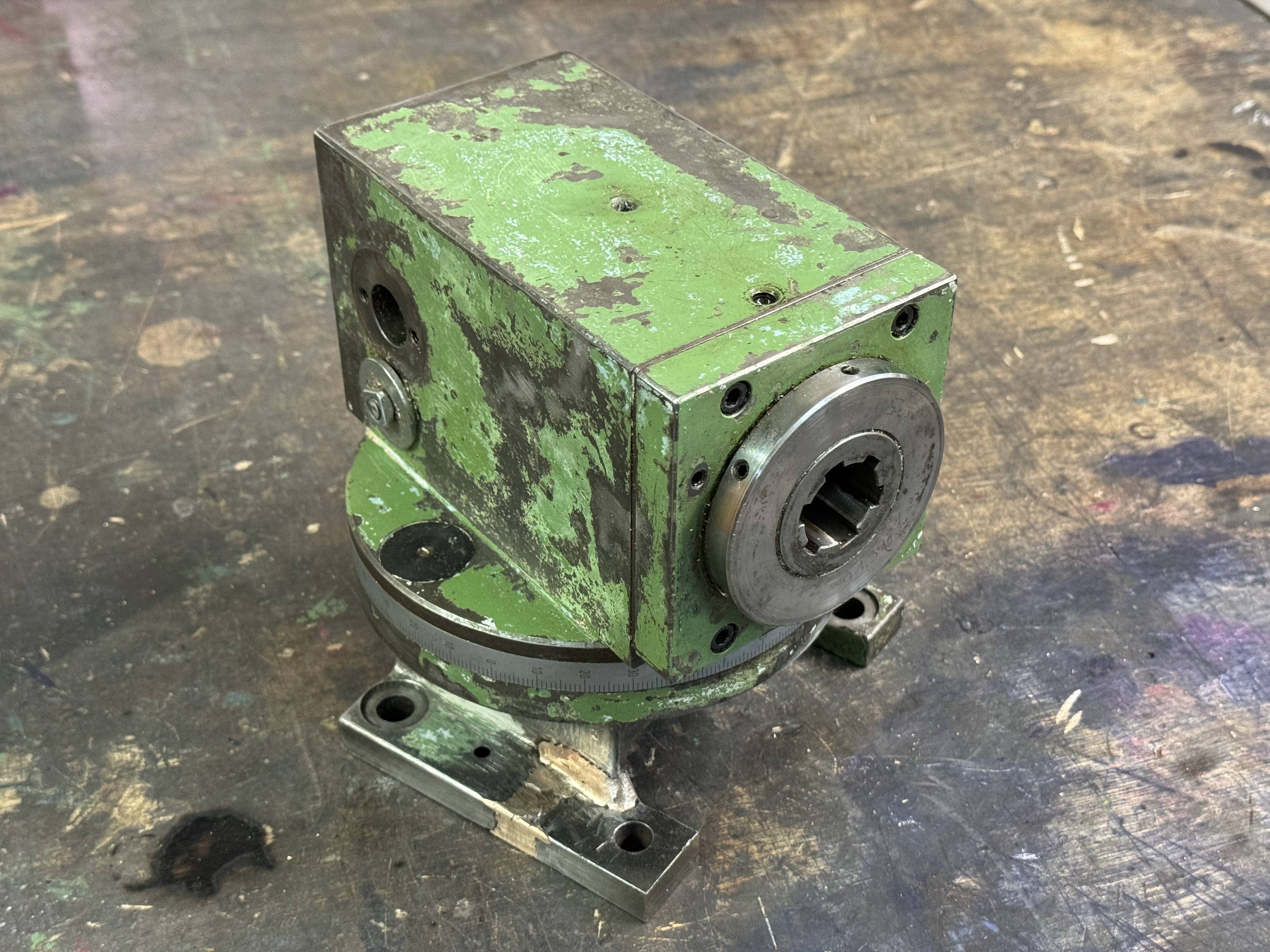
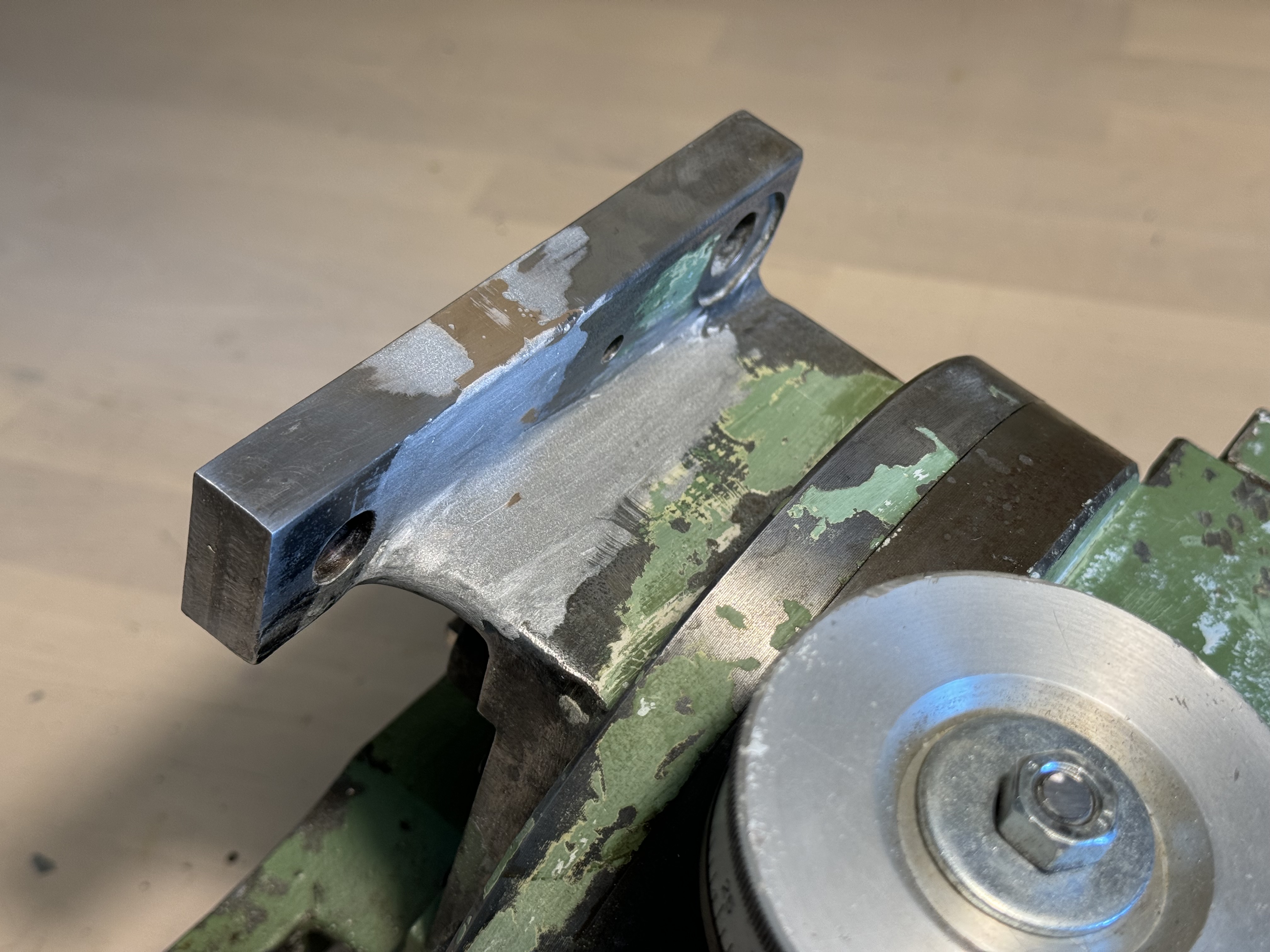
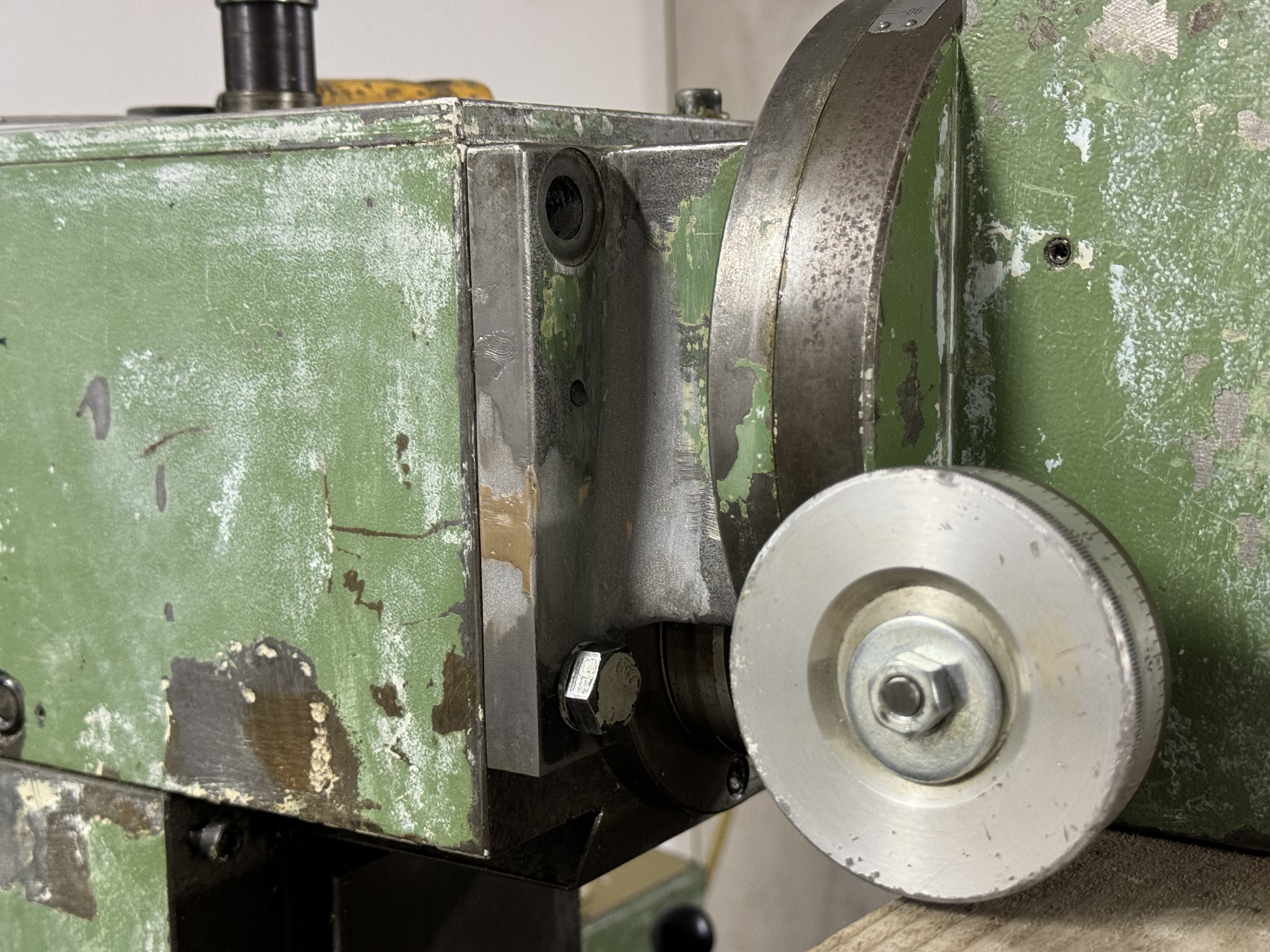
Under a seemingly harmless bracket on top of one of the vertical head mounting bolts, there was a missing ear of the casting. The vertical head on the MH300M is a separate cast iron piece bolted to the ram via a four-bolt flange - and the sole purpose of this bracket was to add the rigidity.
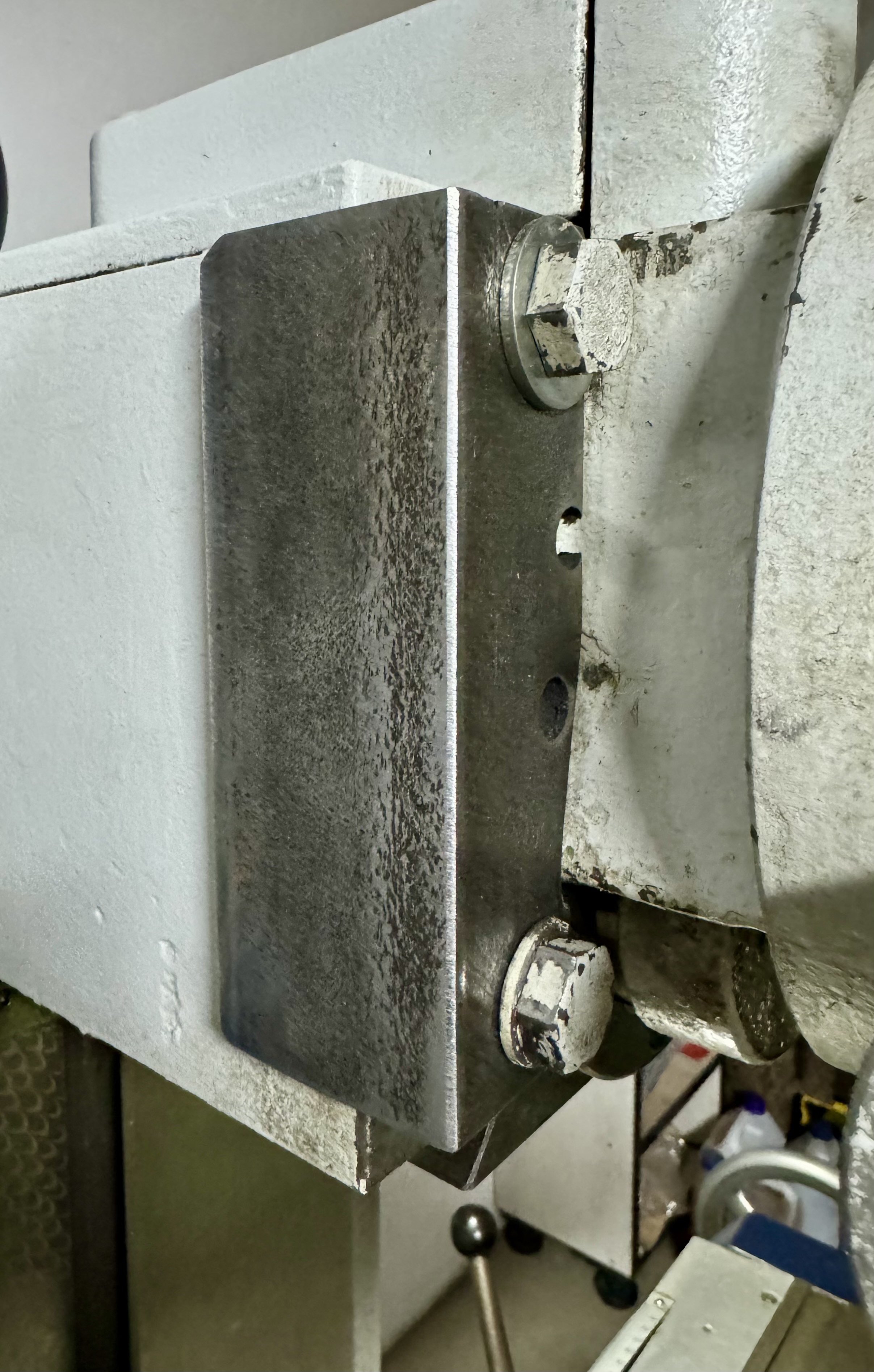
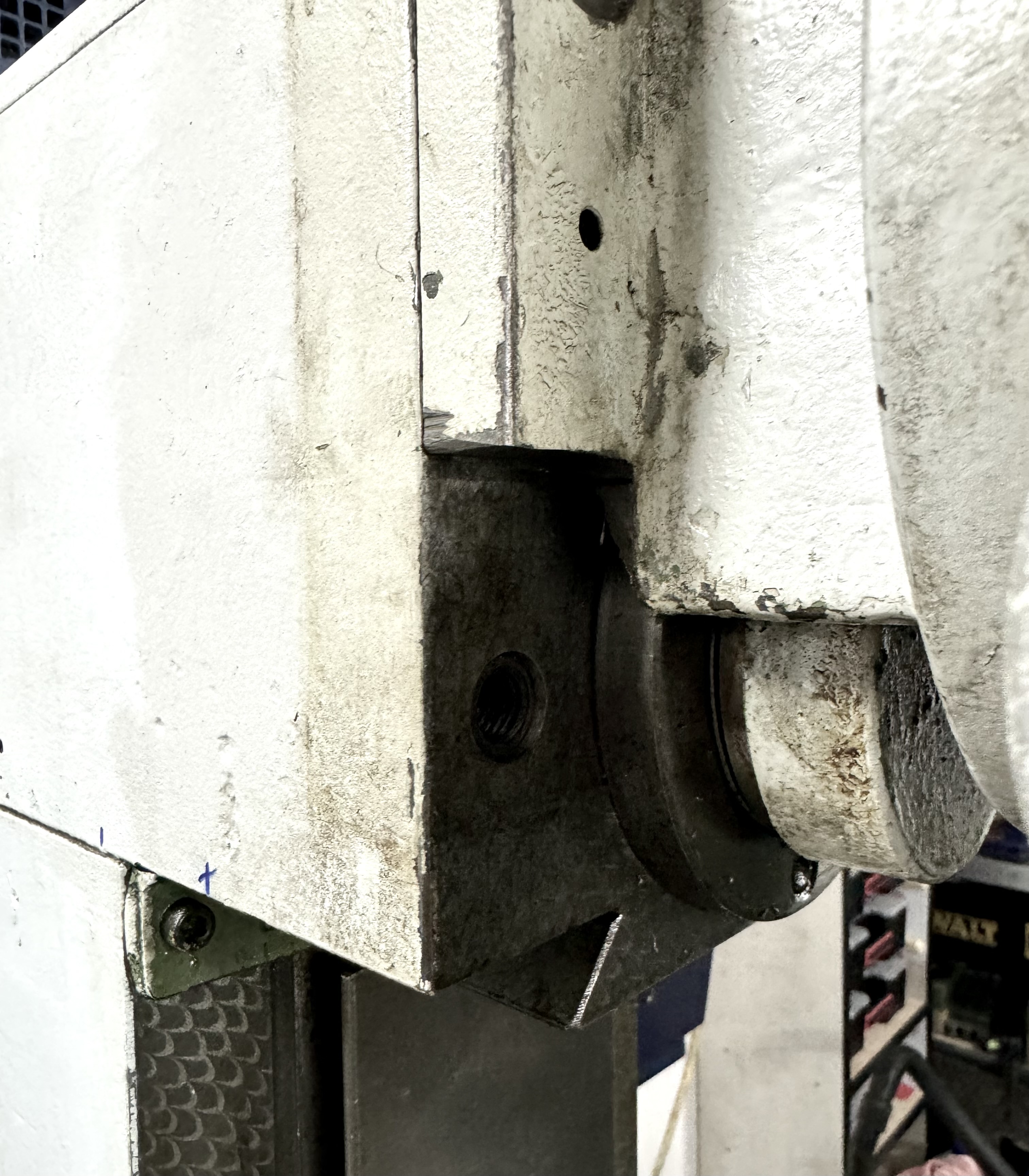
Proper cast iron fusion welding would require preheating to 500-750C and very slow, controlled cooling. Not practical for a part this size without a furnace. Since I already had the mill sort of operational at this point, I milled a steel piece to fit tightly in place of the broken flange section, then TIG brazed it to the cast iron using silicon bronze rods. Not textbook, but the fit is tight and the joint is solid.
fixing other mechanical issues
While milling the flange piece and a few other parts, I noticed that sometimes it was impossible to disengage the Z power feed. The feed on the MH300M uses a cam-based engagement mechanism, and during disassembly I found a loose pin wedged between the Z power feed cam. No idea where it came from, I never found its origin anywhere in the machine. It was jamming the cam intermittently, blocking disengagement. Thankfully it didn’t cause any damage. Removing it fixed the problem.
cleaning up and painting
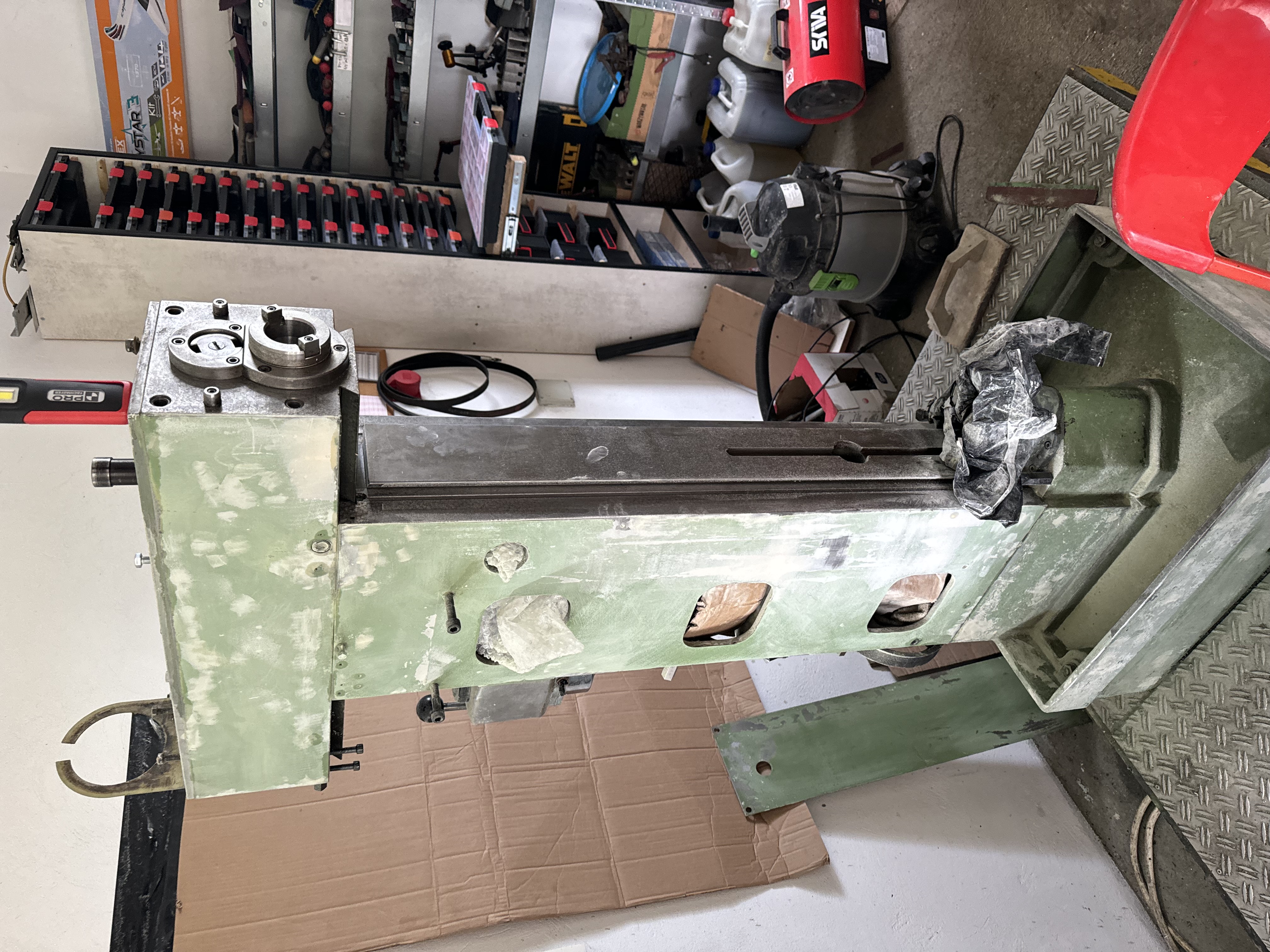
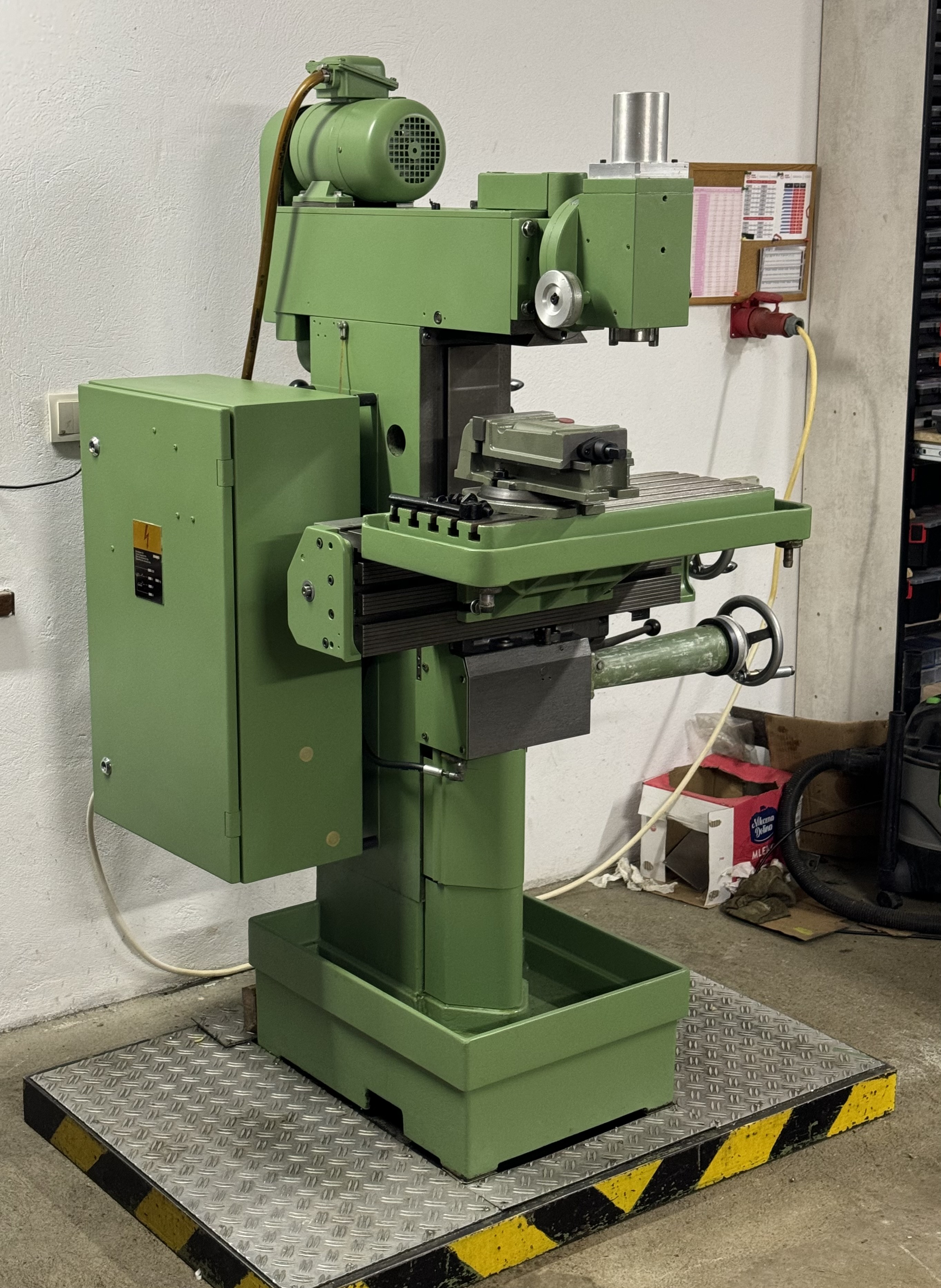
With the riskiest repair done, it was time to disassemble everything for a proper cleanup. The machine had been repainted in white and blue at some point, which is not original. Stripped it all down and repainted to match the original RAL 6011 Reseda Green.
reassembly and DRO
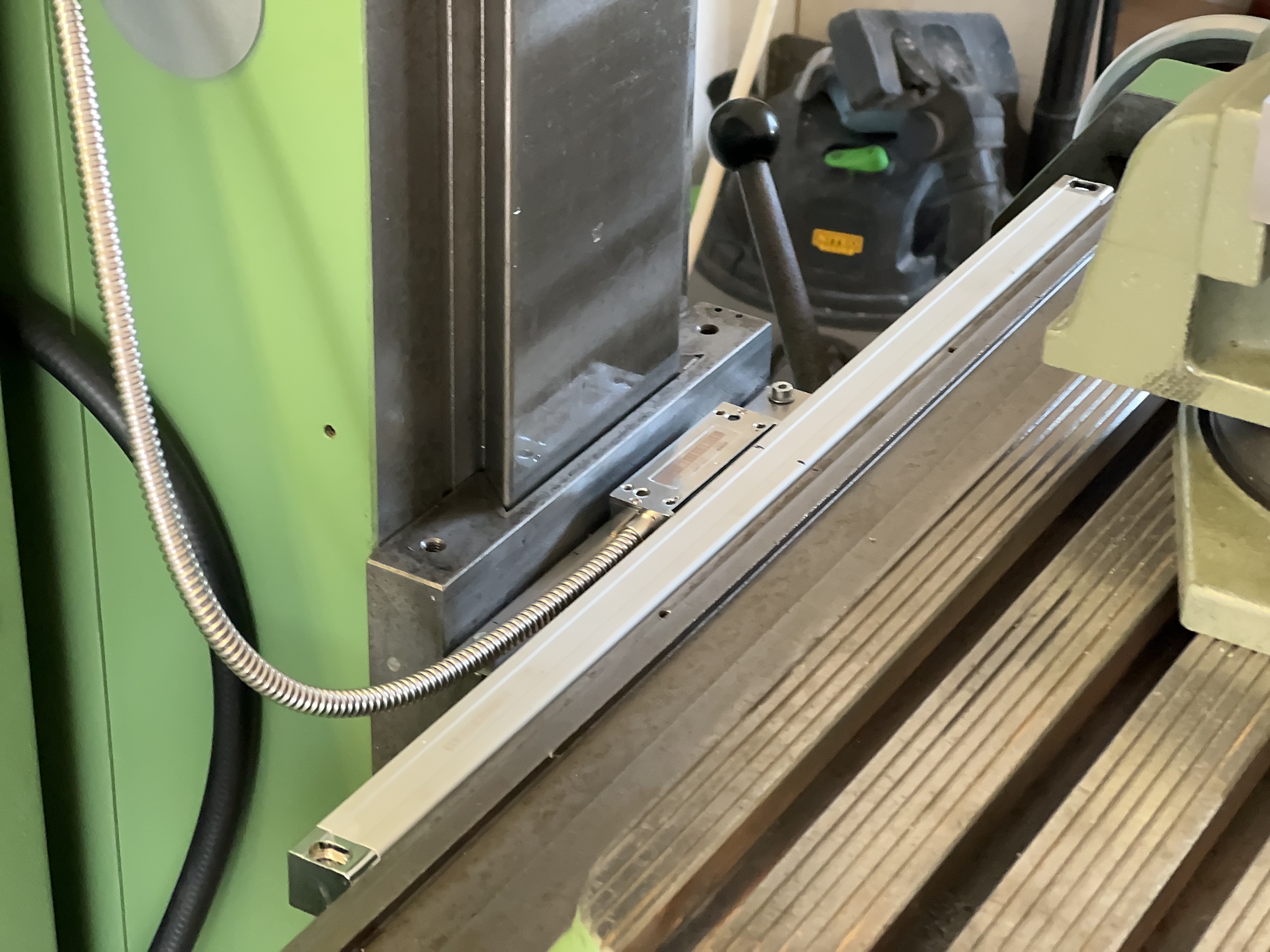
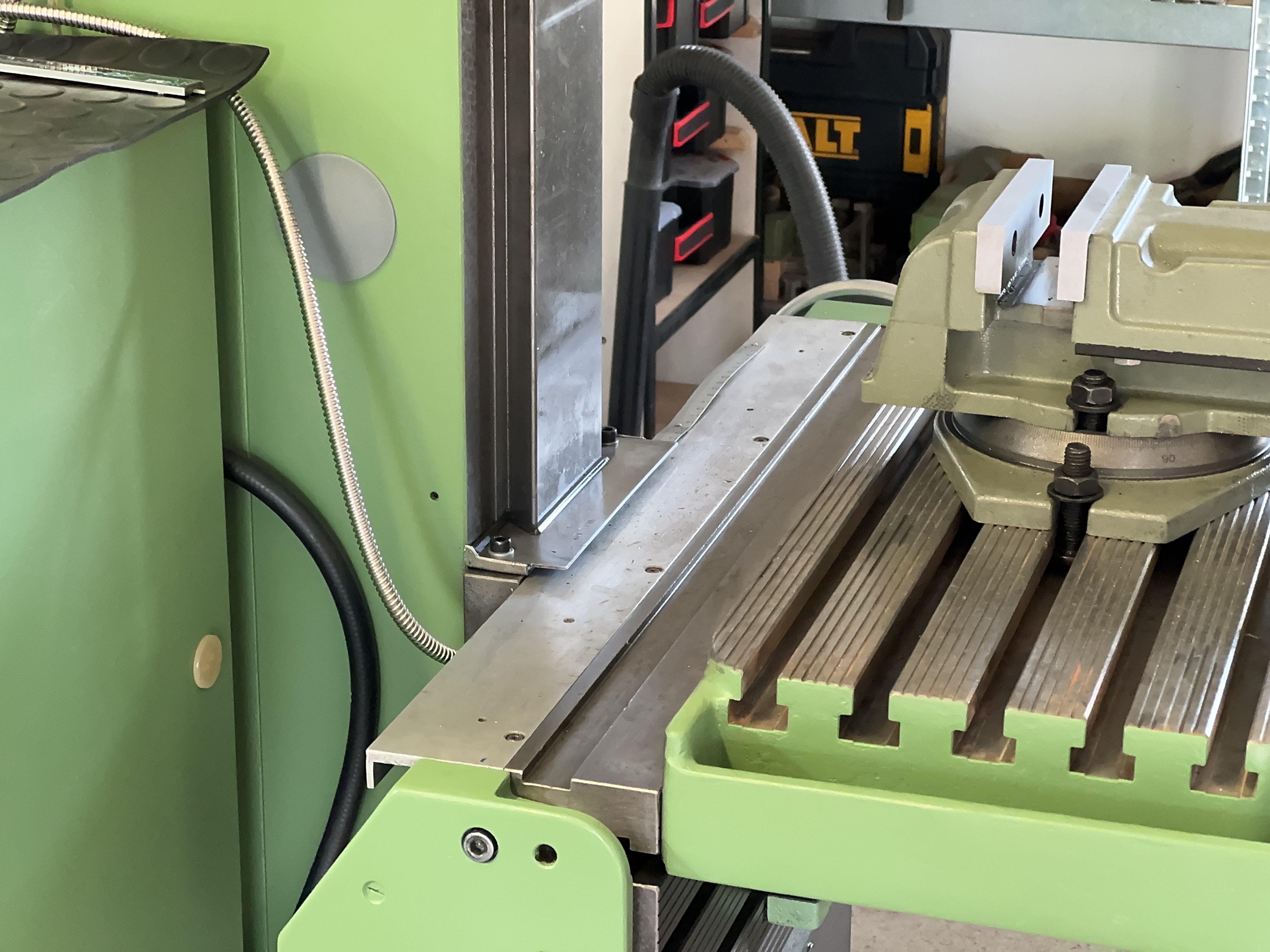
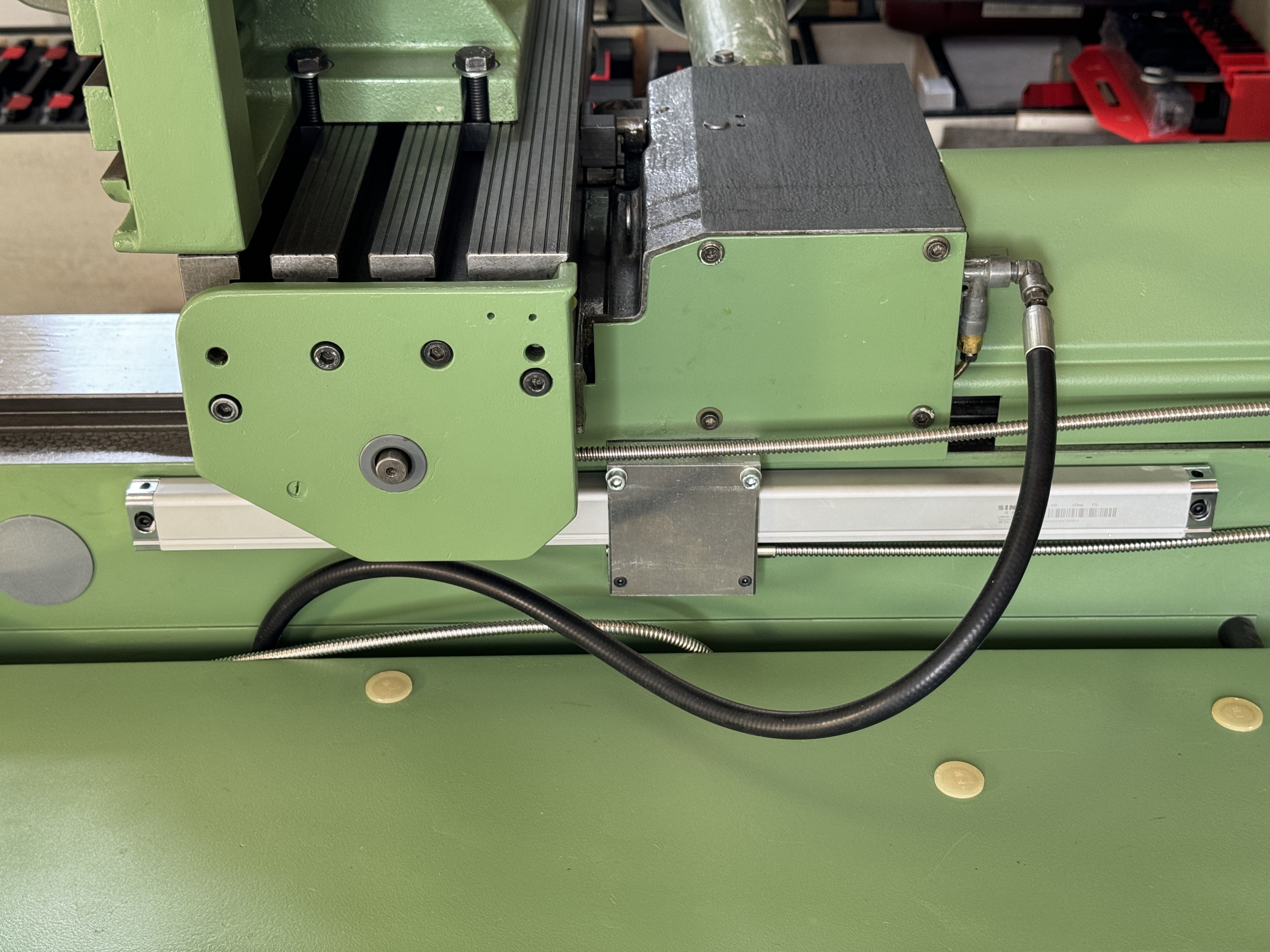
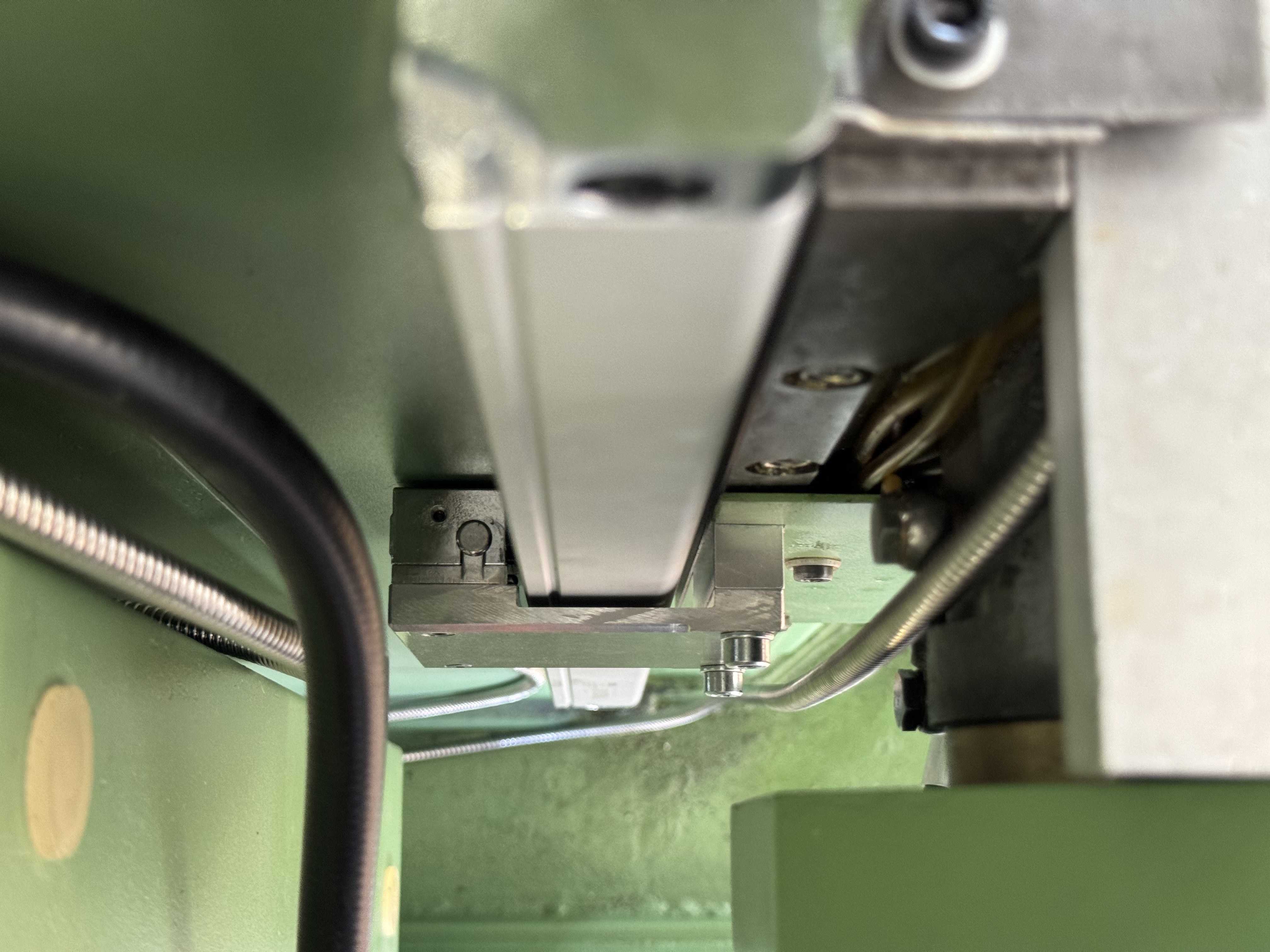
After painting, I reassembled the machine and milled a couple of mounting brackets to install a DRO. The X axis scale fit completely under a chip guard, so it’s fully protected from swarf. The Z scale was mounted with the reader facing away from the table, so chips won’t accumulate on it. Both turned out clean and unobtrusive.
After putting it all back together, the machine feels like new mechanically. The table doesn’t get any tighter near the ends of travel, which is a good sign that the ways have very even, minimal wear. It really feels like this machine wasn’t used much, most likely since its last factory overhaul. Between the central lubrication system and the broken power feed keeping it mostly stationary for years, the mechanicals were preserved remarkably well.